Rapper Paul Wall released his third single, Girl, which samples “Oh Girl” by The Chi-Lites from his album The People’s Champ. The song peaked at No. 35 on the Billboard Hot 100 and stayed on the chart for 16 weeks. I was completely captivated by the track—the flow and delivery, the imagery of luxury and a carefree lifestyle, the soulful sample, the driving 808 bassline, and the dreaminess of the sound. I’d sit in the passenger seat of my father’s work truck, snapping my fingers like an auntie, moving and grooving to the beat. The radio play just wasn’t enough—I needed to hear it on demand.
I finally mustered the courage to ask my father for the CD so I could listen whenever I wanted. His response was both humorous and telling:
“You want me to buy a CD so you can listen to one song?”
“Yes!” I replied without hesitation.
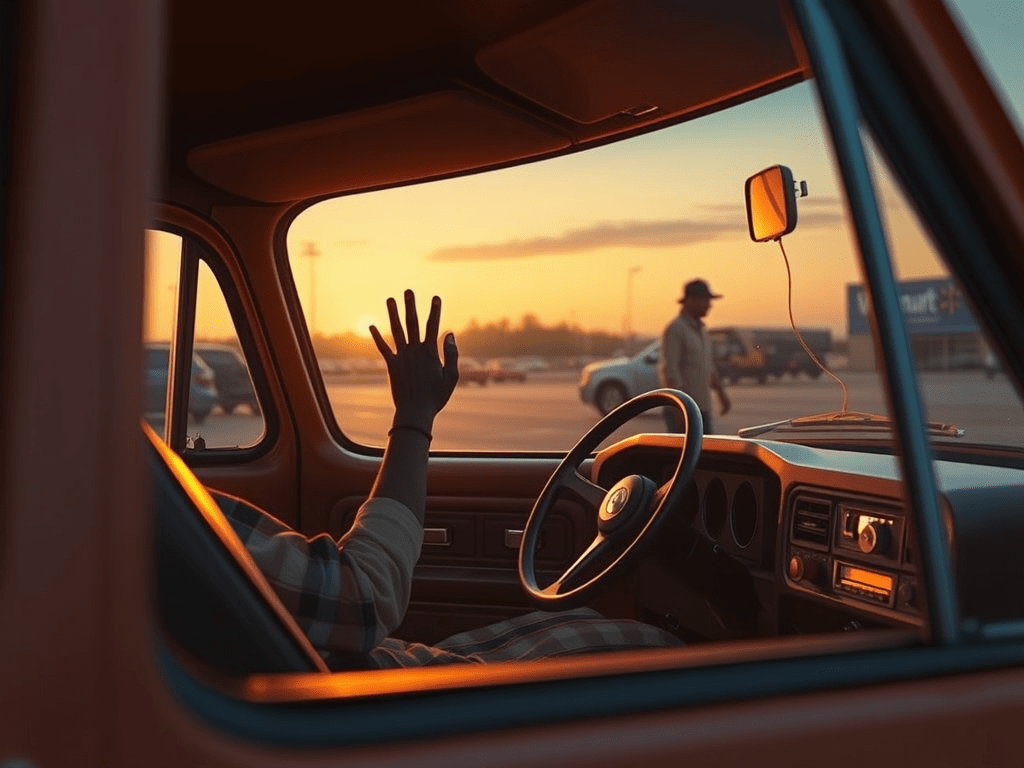
One random day, my dad pulled into a Walmart parking lot and, after a brief wait in the car, he returned—not just with the Paul Wall album, but also with Ne-Yo’s debut album, In My Own Words (a true treat for any Ne-Yo head). I was ecstatic. However, when I popped the CD in, I skipped straight to track 14, only to find it was the clean version—the one played on radio and TV. Confused and a little disappointed, I met my father’s eyes as he said, “You didn’t think I was getting you the explicit version of this, did you?” He continued, “That’s why I went to Walmart—they don’t sell albums with parental advisory labels.”
For me, this experience is a reminder of how times have changed. In an era where songs like WAP and Throat Baby dominate the charts, explicit content is now not just common—it’s expected. These aren’t the first sexually explicit songs to hit the charts. We’ve seen tracks like Lollipop, Cream, I Wanna [Expletive] You, Candy Shop, and Slow Motion achieve similar success. Yet, it’s still astonishing that music with such provocative content can be so widely commercialized, especially when it comes to targeting audiences beyond just the adult demographic.
Growing up, if something wasn’t on the radio, I simply didn’t hear it. Even then, if my parents thought a song was too explicit, they’d switch the station—moving swiftly from Power 92 to V-103, sometimes even to Gospel Radio 1930, where the ministry was as much in the music as in the message.
This brings me to the topic of “clean” versions. How clean can songs like Lollipop and WAP really get? It feels duplicitous when a track uses a child-friendly treat as a metaphor for something so overtly sexual, all the while being played on the airwaves and TV. I’m not shaming creators for their lyrical expression, but I do believe some content is meant for adults—and these artists are well aware of that. I recently saw a WAP rapper on Instagram Live promote her song, only to abruptly turn off the stream when her daughter walked in.
The moral of the story? Shield your children from these messages and the early indoctrination into adult content. Kids deserve to be kids for as long as possible.
Note: I’d really love to hear you guys’ thoughts and opinions to create community and dialogue, but if you’re like it’s sometimes hard to express yourself, so I created questions:
- How do you feel about the practice of releasing “clean” versions of songs? Do you think they dilute the original message or serve an important purpose?
- Have you ever been disappointed by a clean version of a song? What do you think is lost or gained in the process?
- In today’s music industry, explicit content is increasingly mainstream. What are your thoughts on the balance between artistic expression and the need to protect younger audiences?
- How do you think parental controls and radio censorship have evolved over the years? Are they still effective?
- Why do you think explicit content continues to be commercialized so widely? What does this say about current cultural trends and values?
- Do you believe that the commercial success of explicit songs influences the kind of music that gets promoted and popularized? Why or why not?
- What responsibility do artists have in considering the impact of their lyrics on society?
- How can we, as a community, encourage a balance between freedom of expression and maintaining a positive cultural influence, especially for younger listeners?
Feel free to share your thoughts on any of these questions, and let’s start a dialogue on how we can navigate the complexities of music, culture, and personal values in today’s entertainment landscape.